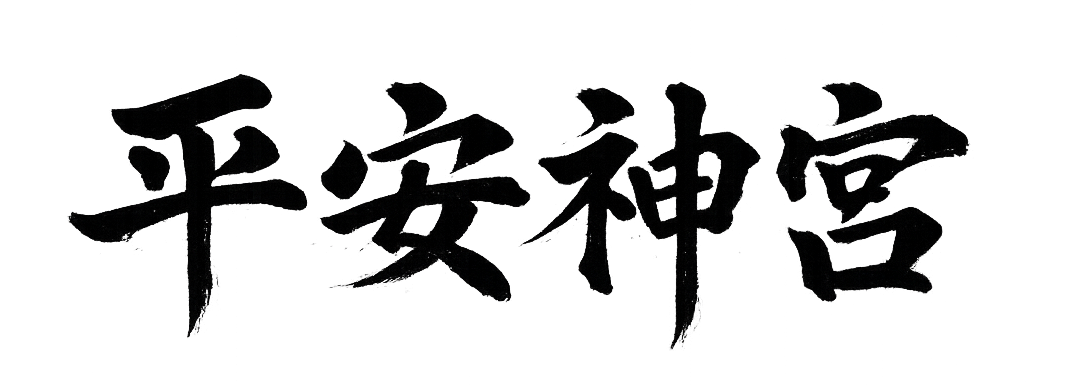
Heian-jingu
Shrine
Heian Jingu was established in 1895 to commemorate the 1,100th anniversary of Kyoto becoming Japan's imperial capital. Dedicated to Emperor Kanmu, who founded the city in 794, and later Emperor Kōmei, the shrine celebrates the legacy of the Heian period and Kyoto's enduring role in Japanese history.
Marked by one of Japan's largest torii gates, the shrine welcomes visitors into expansive courtyards framed by striking vermilion buildings inspired by the original Imperial Palace. The architecture reflects the elegance and symmetry of classical court design, offering a glimpse into the refined aesthetic of ancient Kyoto.
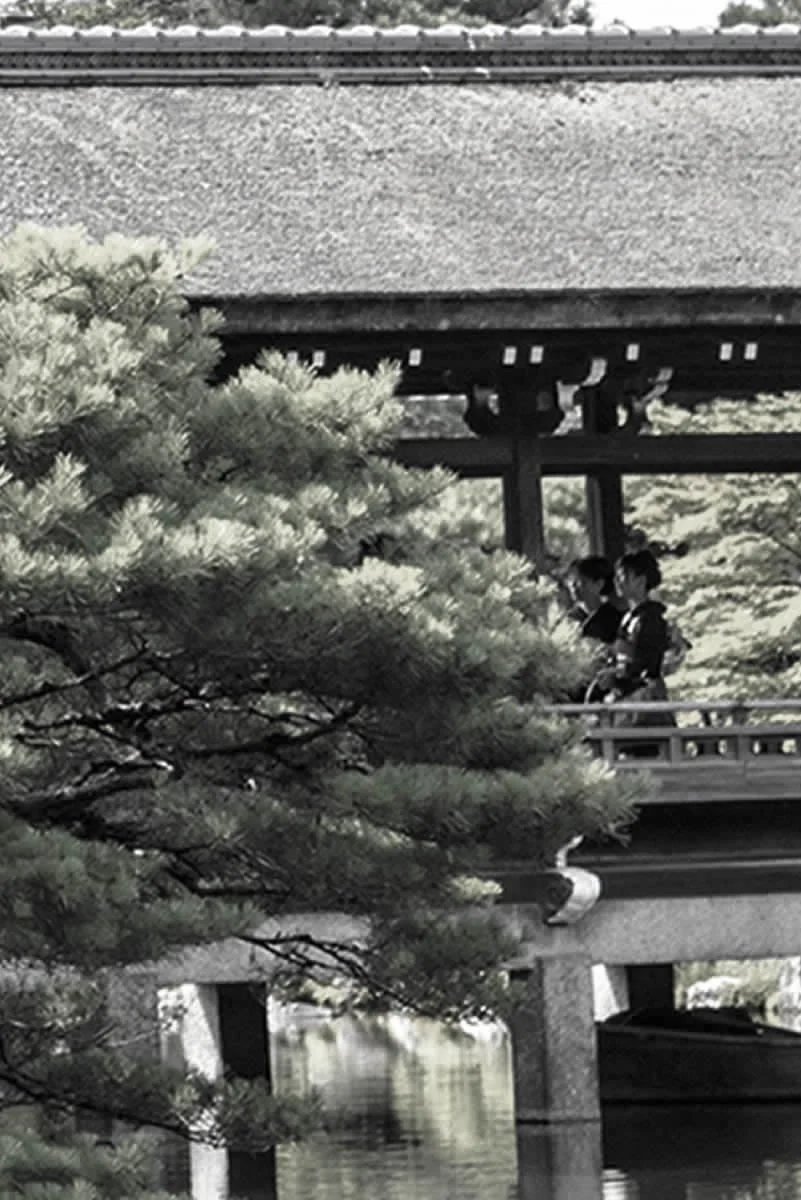
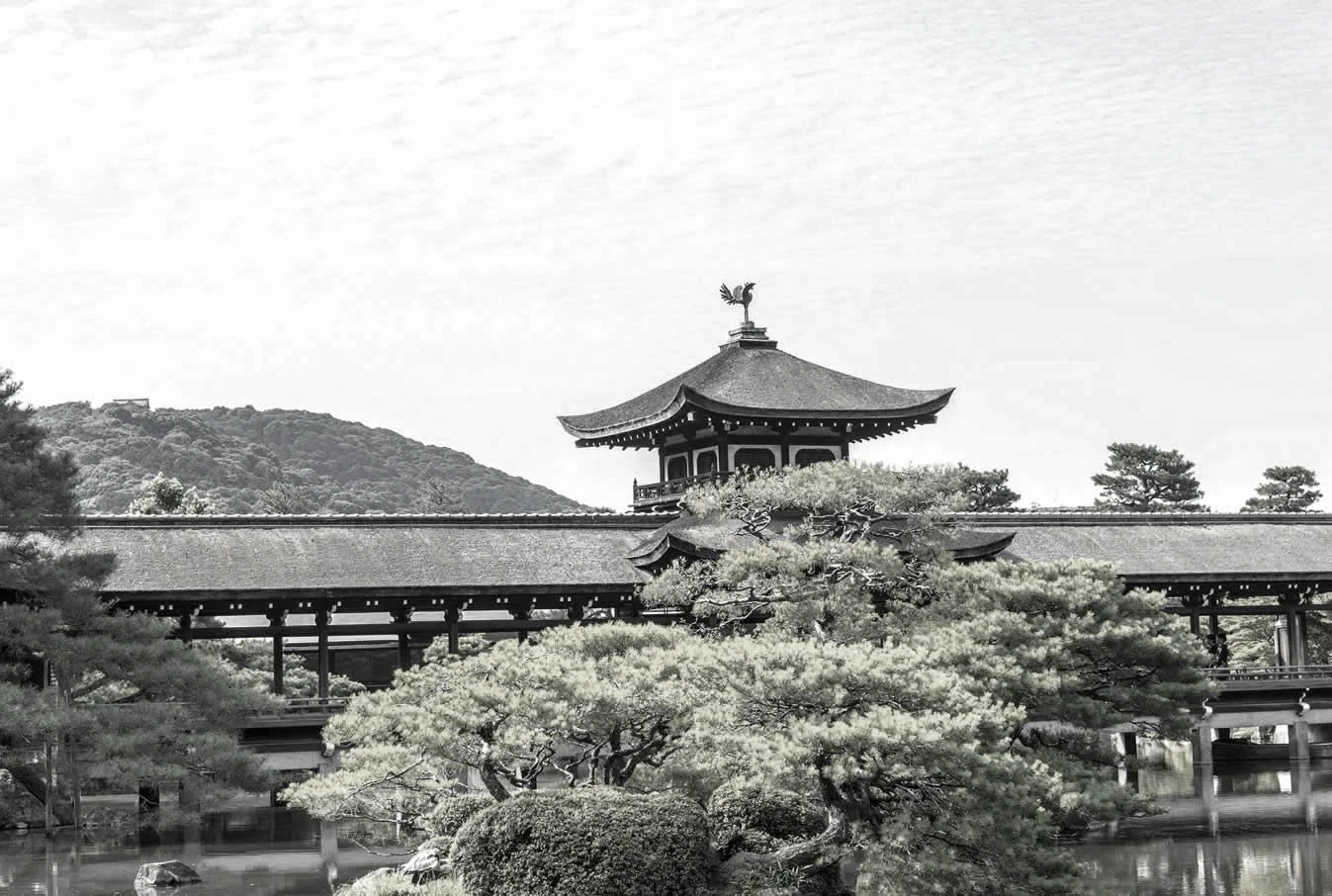
Beyond the main shrine lies the celebrated Shin'en Garden, a series of beautifully composed landscapes featuring tranquil ponds, stone bridges and seasonal plantings. Particularly renowned during spring, the garden's weeping cherry blossoms create one of Kyoto's most memorable floral displays, while each season brings its own distinctive character.
Each October, Heian Jingu serves as the destination of the Jidai Matsuri, or Festival of the Ages, when a grand historical procession traces Kyoto's story through more than a thousand years of costumes, traditions and cultural heritage.
Combining elegant architecture, remarkable gardens and deep historical significance, Heian Jingu remains one of Kyoto's most rewarding places to experience the city's imperial legacy and enduring cultural traditions.